


Designing casinos How architecture shapes the gambling experience
The Role of Design in Casino Atmosphere
The architectural design of a casino plays a pivotal role in creating an immersive atmosphere that entices visitors and enhances their gaming experience. From the moment patrons step inside, the layout and aesthetic elements evoke a particular mood that can influence their behavior. Open floor plans, ambient lighting, and vibrant colors are strategically employed to create a sense of excitement and urgency, encouraging longer stays and increased spending. Such sensory engagement is not merely coincidental; it is a deliberate tactic used by designers to stimulate the senses and keep guests engaged. Players can also explore advanced techniques on sites like https://stake-plinko.ca/, which enhance the overall experience.
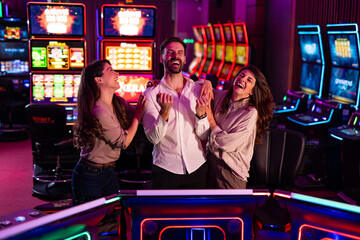
For instance, the use of luxurious materials like marble and crystal can project an image of wealth and sophistication, appealing to high rollers and casual gamblers alike. Designers often incorporate elements like water features and art installations to create focal points that draw attention and encourage exploration. This not only enhances the visual appeal but also creates an emotional connection that can make the gaming experience feel more special and memorable.
Furthermore, the sound design within a casino is equally important in shaping the gambling atmosphere. The strategic placement of slot machines and table games is often accompanied by carefully curated soundscapes that include the sounds of spinning reels or the clinking of chips. These auditory cues can induce feelings of excitement and anticipation, making the act of gambling more exhilarating. By harmonizing visual, tactile, and auditory elements, casino architects create a multi-sensory environment that captivates patrons and fosters an unforgettable gambling experience.
Spatial Organization and Flow
Effective spatial organization in casino design ensures a smooth flow of foot traffic, guiding visitors naturally from one gaming area to another. The placement of popular games near entrances can attract newcomers, while quieter areas can serve as retreats for those seeking a more relaxed gambling experience. This strategic zoning allows different types of players to find their niche, whether they are thrill-seekers or casual participants looking to unwind. Thoughtful pathways and clear signage help maintain a fluid movement, avoiding congestion and enhancing overall comfort.
Moreover, the organization of gaming tables and machines can significantly affect social interaction among players. By arranging games in clusters, casinos encourage camaraderie and conversation, making the experience more enjoyable. Designers often create lounges and bars nearby to facilitate social engagement, allowing patrons to take breaks and socialize between games. This emphasis on community adds a layer of enjoyment that extends beyond mere gambling, turning the casino into a social hub.
Incorporating elements like lounges, restaurants, and entertainment areas within the casino floor also contributes to a sense of flow. Guests can seamlessly transition from gaming to dining or shows without leaving the establishment. This fluidity not only keeps patrons on-site longer but also heightens their overall experience, as they can engage in various activities without the need to venture out. The thoughtful organization of space thus plays a crucial role in maximizing both enjoyment and profitability for casino operators.
Lighting and Color Psychology
Lighting is one of the most critical aspects of casino architecture, as it significantly influences mood and behavior. Designers often utilize a combination of natural and artificial lighting to create various atmospheres throughout the casino. Bright, vibrant lights can energize areas with high activity, like slot machine zones, while softer, dimmer lighting can create a more intimate setting for table games. This nuanced approach ensures that different areas of the casino cater to the diverse preferences of visitors.
Color psychology is also a vital consideration in casino design. Colors like red and gold are commonly used as they evoke feelings of excitement and wealth, while cooler tones like blue and green can promote calmness and relaxation. By thoughtfully selecting colors to enhance different areas, designers can influence visitor emotions and encourage specific behaviors. For example, a lively red may invite more active gameplay, while a soothing blue might encourage patrons to linger and enjoy their surroundings.
In addition to enhancing aesthetics, proper lighting and color schemes can also improve functionality. Well-lit pathways and signage increase safety and accessibility, guiding patrons effectively throughout the venue. By combining aesthetics with practical considerations, casino designers create spaces that not only look appealing but also function efficiently, enhancing the overall gambling experience for visitors.
The Importance of Amenities and Services
Beyond gaming options, the inclusion of various amenities and services significantly enriches the casino experience. High-quality restaurants, bars, and lounges provide spaces for relaxation and socialization, encouraging guests to spend more time on the property. The presence of diverse dining options caters to different tastes, enabling visitors to enjoy a full culinary experience while gambling. This integration of amenities transforms casinos from mere gaming establishments into comprehensive entertainment venues.
Additionally, casinos often offer services like concierge assistance and loyalty programs, further enhancing the customer experience. Personalized services can make patrons feel valued and appreciated, fostering loyalty and repeat visits. For example, high-stakes players may receive complimentary services, such as private gaming areas or exclusive dining experiences, which elevate their status within the casino and encourage them to return.
Moreover, the strategic placement of amenities can also impact gambling behavior. Areas dedicated to relaxation can provide a respite for players needing a break, allowing them to recharge before returning to the gaming floor. This careful balance between gaming and leisure maximizes overall engagement and enjoyment, reinforcing the importance of thoughtful design in creating a comprehensive gambling experience.

Bridging Physical and Online Experiences
As online gaming continues to rise in popularity, casinos are exploring innovative ways to bridge the gap between physical and virtual experiences. Architectural designs are increasingly incorporating technology to enhance visitor engagement. For instance, interactive displays and mobile apps allow patrons to access information, promotions, and even play games seamlessly within the casino environment. This integration not only enhances the physical experience but also caters to tech-savvy audiences.
Moreover, live-streamed gaming options are becoming more prevalent, allowing players to engage with real dealers from the comfort of their homes while still feeling connected to the casino atmosphere. Such advancements in technology create a hybrid gaming experience that blends the excitement of in-person gambling with the convenience of online platforms. Designers are tasked with ensuring that the casino layout supports these technological integrations, facilitating an engaging environment for all types of players.
Furthermore, the design of online gaming platforms is also influenced by architectural principles used in physical casinos. User interface design emphasizes aesthetics and functionality, mirroring the immersive experiences found in brick-and-mortar establishments. This cross-pollination of ideas ensures that regardless of the medium, the gambling experience remains captivating and enjoyable for all players, bridging the gap between traditional and modern gaming landscapes.
Leave a Reply