


The Nature of Luck in Gambling
Luck has long been a captivating notion in the realm of gambling, often perceived as a powerful force that can dramatically alter outcomes in the blink of an eye. When players step into a casino, they are enveloped in an atmosphere charged with the possibility of fortune. The unpredictability of games, especially those driven by chance, creates a thrilling environment where a stroke of luck can lead to extraordinary financial gains or devastating losses, much like how many people enjoy playing pokies online that offer similar excitement and risks. This volatility is what makes gambling both exhilarating and unpredictable, drawing millions of players from around the world.
In games such as slots and roulette, luck is undeniably a dominant factor. These games operate primarily on random number generators and chance, meaning players can experience sudden shifts in their fortunes. For instance, a player may strike a massive jackpot on a slot machine purely by happenstance, leading them to believe they are experiencing a lucky streak. However, this reliance on luck raises a critical question: can skill or strategy influence the outcome, or is it entirely left to fate? The answer often lies in the type of game being played.
While luck plays a significant role, it is essential to recognize that not all casino games are purely about chance. Games like poker and blackjack require a combination of skill and luck, where players can exert influence through strategic decisions and psychological insights. The interplay of luck and strategy complicates the narrative, prompting players to consider how much their fate is determined by random chance versus their own decisions. Thus, while luck remains a vital component of gambling, it often coexists with the necessity for tactical thinking and informed decision-making.
The Illusion of Control
The belief that players can exert control over their outcomes is a common phenomenon in casinos, known as the “illusion of control.” This psychological effect leads individuals to think they can influence the results of games governed by random chance. Many gamblers adopt superstitious rituals, such as wearing lucky clothing or following specific betting patterns, in hopes of attracting good fortune. While these behaviors can provide emotional comfort, they do not alter the underlying probabilities of the games. Understanding this can help players maintain a healthier perspective on their gambling experiences.
This illusion underscores the intricate relationship between luck and human psychology. Players frequently attribute their wins or losses to either luck or their perceived ability to control the situation. For instance, after winning a round of blackjack, a player may credit their success to a lucky charm or a specific betting strategy, while a subsequent loss might be blamed on bad luck. This emotional investment in luck can significantly shape the gaming experience, leading to irrational decision-making based on fluctuating emotions rather than sound judgment.
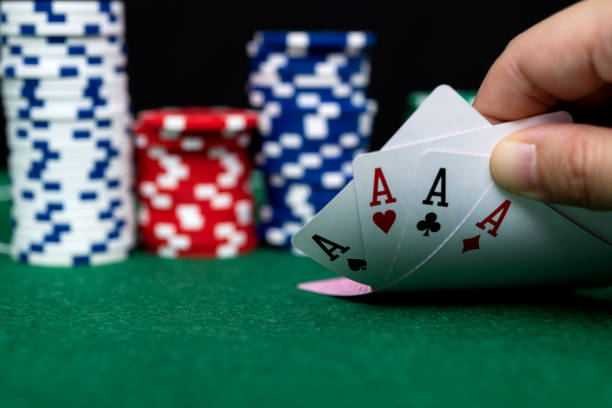
Moreover, casinos are designed to enhance this illusion of control. The vibrant lights, enticing sounds, and overall ambiance foster an atmosphere where players feel empowered to influence their fate through luck. However, it is crucial for players to remain aware of the potential for irresponsible gambling behavior stemming from this illusion. Understanding that luck is just one aspect of the gaming experience can help players maintain a more balanced perspective, reducing the emotional turmoil often tied to perceived luck.
The Role of Probability and Odds
To navigate the world of casino games effectively, a solid understanding of probability and odds is essential. While luck may play a role, the outcomes of most games can be predicted with mathematical precision. For example, in blackjack, players can calculate the odds of their hand against the dealer’s, enabling them to make informed strategic decisions. This mathematical approach highlights the importance of integrating skill with an understanding of luck, allowing players to optimize their chances of success.
In contrast, games like roulette require players to understand that each spin is an independent event. The house maintains a consistent edge, and while players may enjoy streaks of good fortune, the probabilities remain unchanged. Recognizing this can empower players to set realistic expectations and focus on strategies that enhance their gaming experience, rather than relying solely on luck to dictate their success. A healthy grasp of odds allows players to make decisions that align with their goals and risk tolerance.
Ultimately, every casino game is designed with built-in odds favoring the house. Regardless of how fortunate a player feels, it is vital to acknowledge the statistical realities at play. For example, the likelihood of winning on a slot machine is determined by its payout structure and odds. Thus, while luck can deliver thrilling highs, it is imperative for players to remember that the house edge will typically prevail in the long run. A strong understanding of probability can assist players in making smarter wagers that align with realistic expectations for success and longevity in the casino environment.
The Emotional Impact of Luck on Players
The emotional ramifications of luck in gambling are profound, significantly shaping players’ experiences and behaviors. Winning, often viewed as a stroke of luck, can elicit overwhelming excitement and euphoria, encouraging players to chase that exhilarating feeling. However, the psychological consequences of wins and losses can be severe. For many, a lucky win acts as a motivator to continue playing, while a series of unfortunate events can lead to feelings of frustration and despair, potentially resulting in problematic gambling habits.
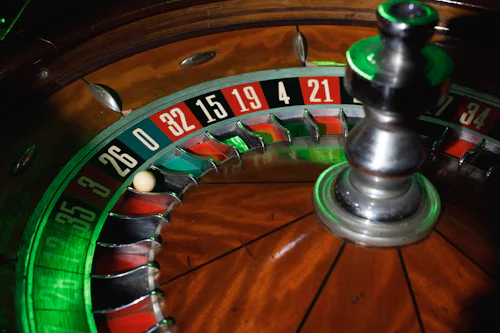
The adrenaline rush associated with gambling reinforces the perception of luck as a central determinant of fate. Players may find themselves ensnared in a cycle of pursuing luck, convinced that their next game could dramatically alter their fortunes. This emotional rollercoaster can lead to varying levels of attachment to the games, as players cling to the hope of that next lucky break. Unfortunately, this can also lead to poor decision-making, where emotional highs and lows dictate betting strategies rather than rational thought and calculated approaches.
Additionally, the concept of luck fosters a social dynamic among players in casinos. Those who win are often labeled as “lucky,” which can create both camaraderie and rivalry among participants. Celebrating a lucky win can build a sense of community, while sharing tales of bad luck can foster solidarity. Nevertheless, this focus on luck can overshadow the importance of responsible gambling and the need for players to maintain control over their actions. By recognizing the emotional impacts of luck, players can navigate their experiences more thoughtfully and responsibly, enhancing their enjoyment of the gaming experience.
Conclusion: Embracing Luck with Awareness
In conclusion, the intricate relationship between luck and fate in casino games is multifaceted and complex. While luck undeniably plays a crucial role in determining many game outcomes, it should not eclipse the significance of strategy, skill, and responsible gambling practices. Understanding the nature of luck, the underlying probabilities, and the emotional dynamics at play can empower players to make informed decisions, enriching their overall gaming experiences. This awareness is essential for enjoying gambling as a form of entertainment rather than allowing it to spiral into a source of stress or anxiety.
As players immerse themselves in casino games, adopting a balanced approach to luck is essential. Acknowledging that luck is merely one facet of a larger equation can help mitigate the emotional fluctuations that often accompany gambling. By integrating knowledge of the games, employing a strategy-driven mindset, and maintaining a healthy respect for luck’s role, players can enhance their enjoyment and sustainability in the gaming world. This approach ensures that gambling remains an engaging and entertaining activity rather than a source of distress.
Ultimately, engaging in casino games can be a thrilling and enjoyable experience when approached wisely. For those who wish to explore the fascinating intersection of luck and strategy, staying informed can significantly influence their gaming outcomes. Embrace the excitement of gaming while adhering to a responsible approach, ensuring that every experience is engaging, enriching, and ultimately, enjoyable. As we navigate the unpredictable waters of luck, let us not forget the importance of strategy and responsible gaming in shaping our experiences in these vibrant environments.